


It usually doesn’t happen all at once. At first, everything seems fine—the floor scrubber is running, the floors look clean, and the job gets done quickly.
Then something shifts. You notice streaking, dull finishes after drying, or stubborn soil that won’t lift. The operator makes a second pass, then a third, but the floor still looks dirty. That’s when the question finally comes up: “Why isn’t this machine cleaning properly?”
Most facility managers assume something is broken. But in reality, the machine usually isn’t broken—the system around it is. Once you evaluate the full cleaning process, the solution becomes clear.
We see this exact situation play out daily in warehouses, manufacturing plants, and agricultural facilities: a good machine and a hardworking team, but frustratingly inconsistent results.
When cleaning performance drops, the issue almost always falls into one of these six primary areas:
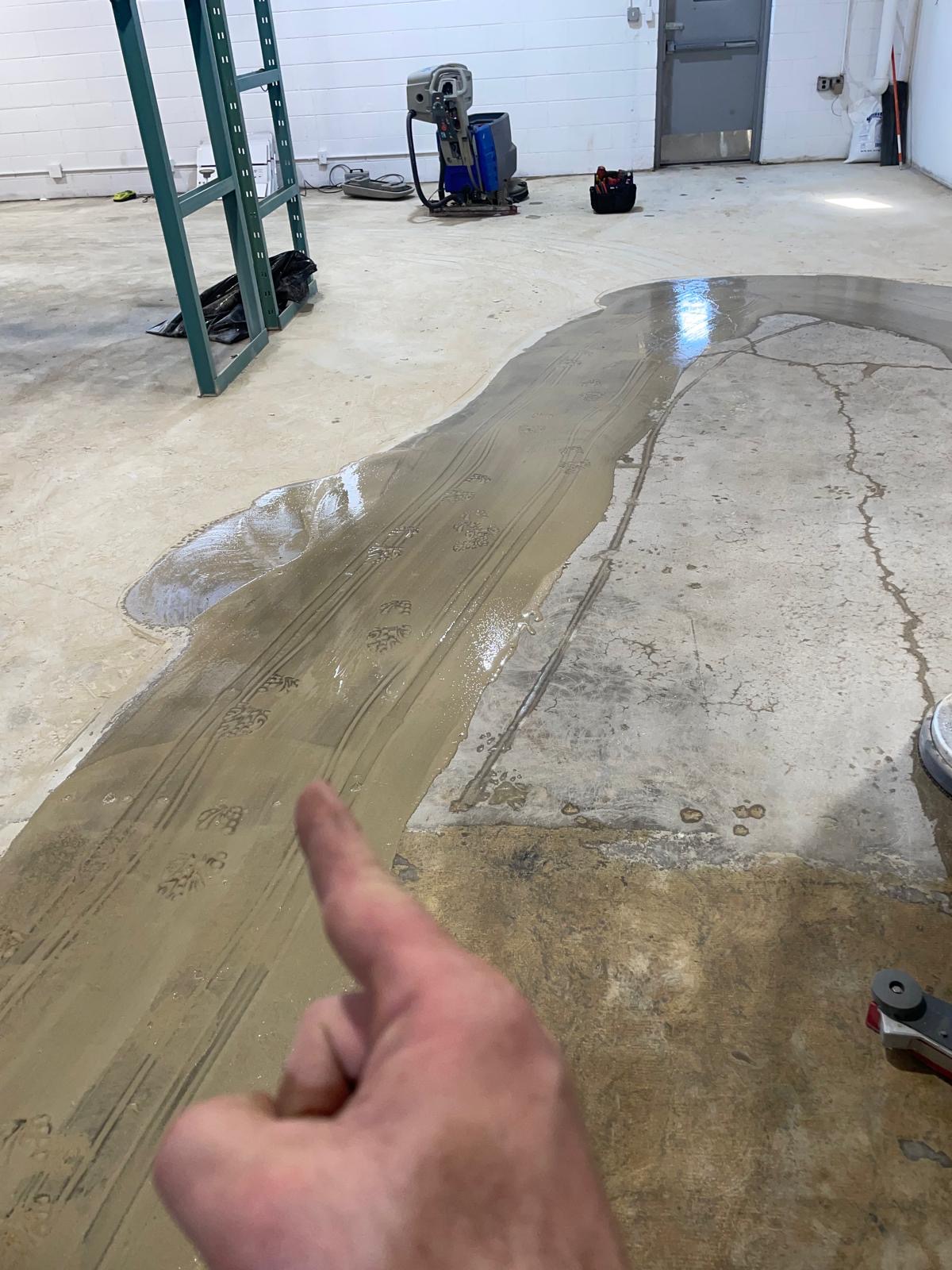
This is the most common and misunderstood floor care issue. The scrubber lays down water, the brushes spin, and the floor looks clean while wet. However, if the dirty slurry isn’t completely recovered, the soil dries right back onto the surface.
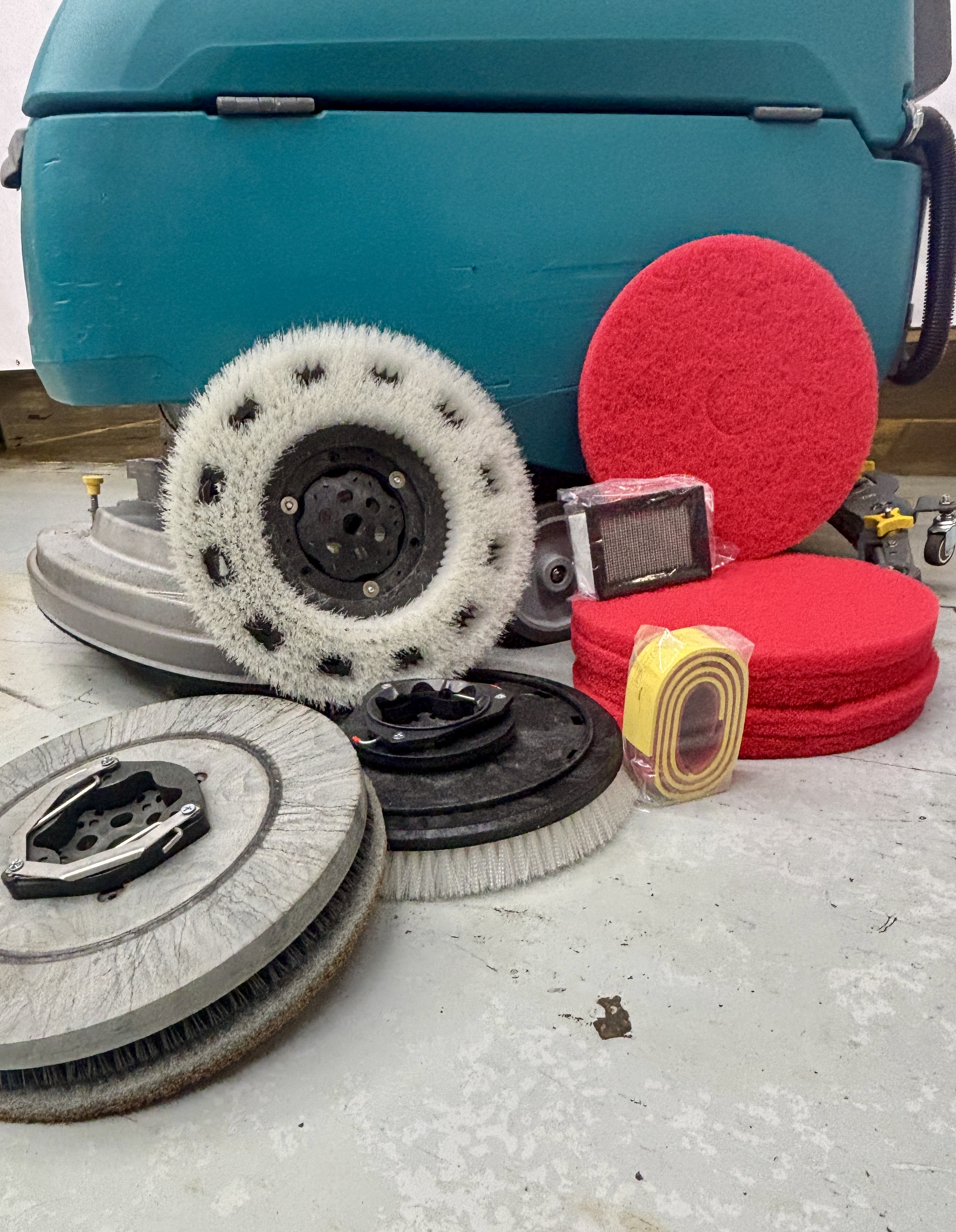
Agitation breaks up surface soil, but different environments require different brush aggressiveness:
Matching bristle type (nylon, polypropylene, or grit-impregnated) to your specific floor type ensures complete soil agitation on the first pass.
Adding more chemical detergent does not mean cleaner floors. Over-concentrating chemical solutions leaves a tacky residue that attracts new dirt immediately after drying.
Water carries loosened dirt into the recovery tank. Imbalanced water flow disrupts the entire cleaning cycle:
Even the best floor scrubber will underperform if operated incorrectly:
Rarely does a single major failure ruin floor cleaning results. Instead, minor maintenance oversights accumulate:
Together, these minor issues create a noticeable drop in cleaning performance.
When your floor care system is properly dialed in, commercial cleaning becomes effortless again:
Water trails are typically caused by worn or damaged squeegee blades, debris caught under the squeegee frame, or a blocked vacuum hose.
Brushes should be replaced when bristles wear down to half an inch or show uneven wear patterns that reduce floor contact.
If your floor scrubber isn’t delivering the clean results you expect, don’t waste time on trial and error. Robey’s PowerKleen helps facility managers diagnose machine performance, floor compatibility, and chemical processes.
Ready to fix your floor cleaning results?
Visit Our Showroom & Service Center: 695 N Main St., Winchester, KY 40391