
Phone

859-484-7337

Address

695 N Main St., Winchester, KY 40391

Tennant T500e or T5e: Why You Have Low or No Water Flow (And How to Fix It)

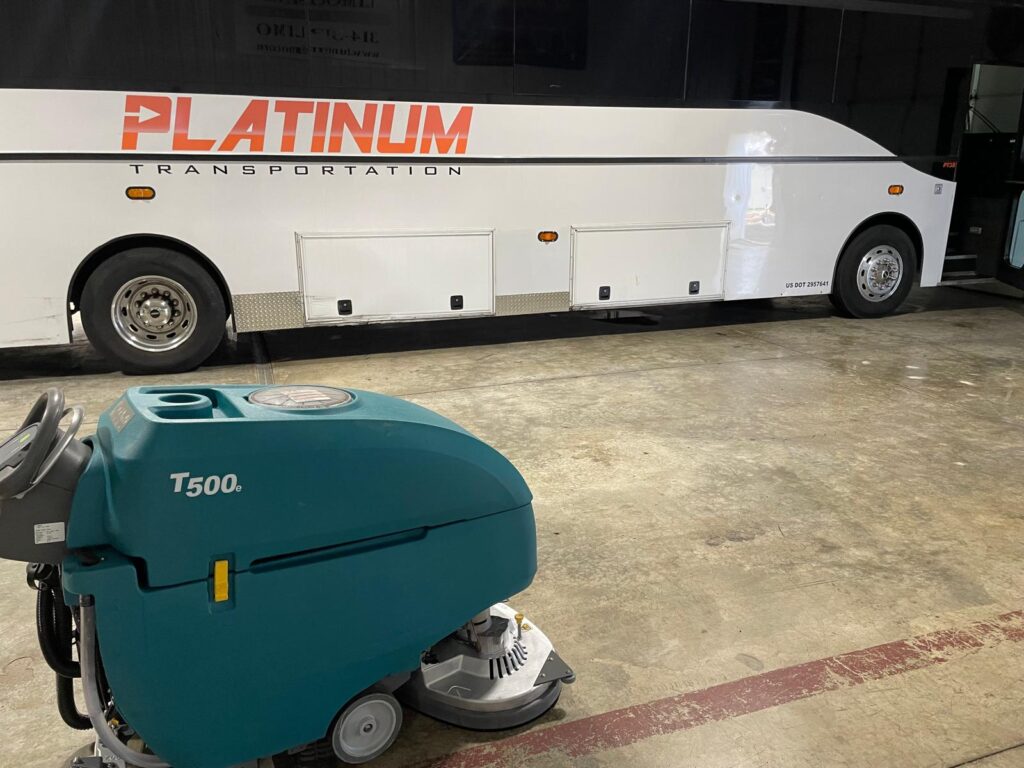
Tennant T500 walk-behind floor scrubber parked inside a transportation facility beside a Platinum Transportation coach bus.

What is it actually costing your facility every day a floor scrubber isn’t working correctly? Not just the repair bill—the real operational cost.

When your Tennant T500e or T5e stops laying down water, your team slows down. They switch to inefficient manual mops, cleaning becomes inconsistent, and labor expenses soar. Low or no water flow is a labor cost problem disguised as a machine issue.

In this guide, we break down the root causes of water flow restrictions and provide a step-by-step diagnostic checklist to get your scrubber back in action fast.

The Biggest Mistake: Assuming the Machine Is Broken

When a floor scrubber stops dispensing water, most operators assume an expensive electrical component has failed. In reality, over 80% of water flow issues are caused by simple restrictions—clogs, sediment buildup, or misadjusted valves that can be fixed in minutes without buying new parts.

Watch This First: Step-by-Step Water Flow TroWatch Troubleshooting Video

(Watch our lead technician demonstrate how to diagnose water flow restrictions on the Tennant T5e and T500e in under 3 minutes)

Step-by-Step Water Flow Diagnostic Guide

To locate the restriction, follow the water path logically: Tank > Filter > Solenoid Valve > Scrub Deck.


Step 1: Check and Clean the Filter (The #1 Cause)

The filter cup is the most common failure point. Over time, chemical film and fine sediment clog the mesh screen.

  • Action: Unscrew the filter cup, remove the mesh screen, and rinse thoroughly under warm water.
  • Pro Tip: Briefly run the machine without the filter installed. If water flows normally, replacing or cleaning the filter mesh solves your issue.

Step 2: Verify the Water Flow Control Knob

The manual water control knob regulates fluid output to the scrub deck.

  • Action: Ensure the knob is turned fully to the left (OPEN). If it has been bumped or turned to the right, flow will be severely restricted or cut off completely.

Step 3: Flush Hidden Tank Buildup

Dried detergent and mineral deposits often collect at the elbow fitting where water exits the solution tank.

  • Action: Pour 1 to 2 gallons of household white vinegar into the tank, fill with warm water, and let sit overnight to dissolve internal buildup before flushing the lines.

Step 4: Test the Solenoid Valve

The solenoid valve controls electronic water release and only opens when the brush drive is engaged.

  • If Water Dripping Continuously: Debris is trapped inside the valve seat, preventing it from sealing completely.
  • If No Water Flow at All: The solenoid coil may have failed electrically, or a line blockage exists ahead of the valve.

Step 5: Clear Lines with Compressed Air

Before disassembling internal plumbing, attempt a reverse air flush.

  • Action: Disconnect the solution hose at the scrub deck and blow compressed air backward toward the tank to dislodge trapped debris.

Step 6: Clean and Test the Solenoid Coil

If the valve remains blocked or stuck, disassemble and inspect it:

  1. Disconnect the electrical leads and mounting screws to remove the solenoid.
  2. Clean the internal plunger, spring, and diaphragm.
  3. Electrical Test: Set a multimeter to Ohms ($\Omega$) and measure across the solenoid terminals. A functional 24V solenoid should read approximately 50 Ohms. A reading of zero or infinity indicates a failed coil that requires replacement.

Preventative Maintenance: How to Prevent Future Clogs

Preventing water flow issues requires simple, consistent habits:

  • Daily Rinse: Drain and flush the solution tank with clean water at the end of every shift.
  • Weekly Filter Check: Inspect and rinse the filter cup weekly to prevent hard water buildup.
  • Periodic Vinegar Flush: Perform a monthly vinegar flush to dissolve detergent residue inside lines and valves.

Frequently Asked Questions

Why does my scrubber leak water under the deck when turned off?

Continuous dripping indicates debris caught in the solenoid valve diaphragm or a worn solenoid seal that can no longer close completely.

Can I run hot water through the solution tank to clear clogs?

Warm water (up to 110°F) is safe and helps dissolve detergent buildup. Avoid boiling water, which can warp plastic fittings and damage internal pump seals.


Need Replacement Solenoids or Technical Service?

Don’t let minor water flow issues slow down your cleaning operations. Robey’s PowerKleen stocks replacement solenoids, filter assemblies, hoses, and valves for Tennant T5e and T500e scrubbers.

Get your equipment back in service today:

Visit Our Service Center & Showroom: 695 N Main St., Winchester, KY 40391

In This Article

Let Us Get In Touch With You

Give us your name and number and our team will contact you as soon as possible.

Limited Time Offer

Save $1,000 Off Your Floor Scrubber

Enter your email below to instantly unlock a $1,000 discount code toward your next equipment purchase.

🔒 We respect your privacy. No spam, ever.